

OUR PRACTICE AREAS






Latest Updates
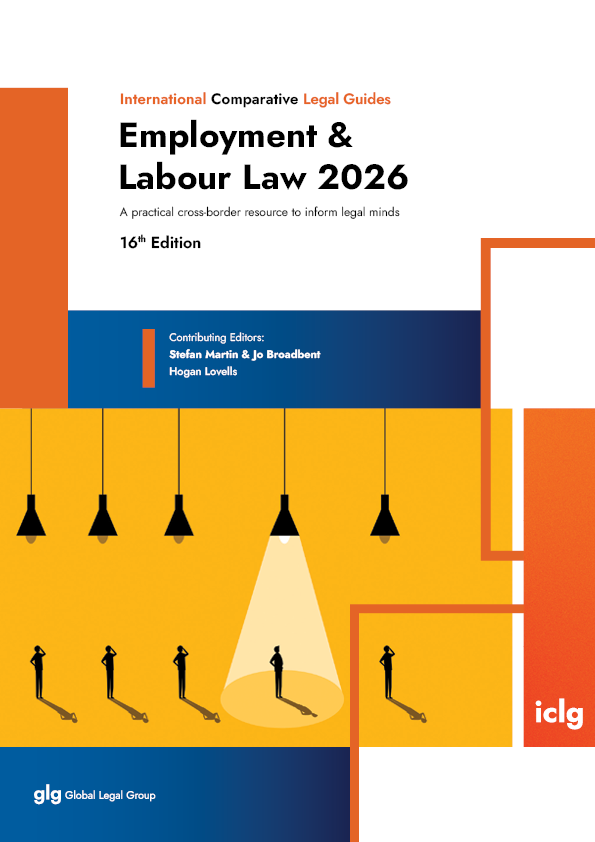
ARMA Law is proud to contribute the Indonesia chapter to the ICLG: Employment & Labour Law 2026, authored by Merari Sabati, Mikhail Sibbald, and Daffa Abyan. This comprehensive guide explores the shifting landscape of Indonesian manpower regulations, including the latest standards for working hours, the significant expansion of maternity and family leave rights under Law No. 4/2024, and the evolving requirements for corporate criminal liability and data privacy. As the government prepares to enact a new Manpower Law following recent Constitutional Court mandates, staying informed on these updates is essential for every business operating in Indonesia.
This Update provides an overview of financing service businesses recognised under the P2SK Law, including multifinance companies, venture capital companies, infrastructure finance companies, IT based peer to peer funding services, pawnshops, and other financing schemes regulated by OJK. It outlines their key activities, regulatory framework, and capital requirements within Indonesia’s financial sector.
MOC Reg 1/2026 formally integrates Indonesia's film sector into the national Risk-Based Business Licensing framework, introducing licensing requirements, documentation standards, and administrative sanctions across the production, distribution, and exhibition chain. This ARMA Update examines what the Regulation means in practice for production houses, investors, and distribution partners, from pre-production permit obligations and the 3-month commencement requirement, to censorship certification and import recommendation processes for foreign content.
The Constitutional Court’s Decision No. 100/PUU-XXII/2024 has officially redefined the distinction between domestic and international arbitration awards by removing the "deemed" status from the Arbitration Law. This landmark ruling eliminates long-standing misinterpretations regarding territoriality and nationality, providing much-needed clarity for the recognition and enforcement of awards in Indonesia.
This update highlights the personal data protection considerations arising from debt collection activities in Indonesia’s financial services sector. While debt collection is a lawful recovery mechanism, financial institutions must ensure that any use, disclosure, or sharing of debtor information complies with the requirements of Law No. 27 of 2022 on Personal Data Protection, particularly regarding lawful basis, purpose limitation, and the handling of data by third-party collectors.